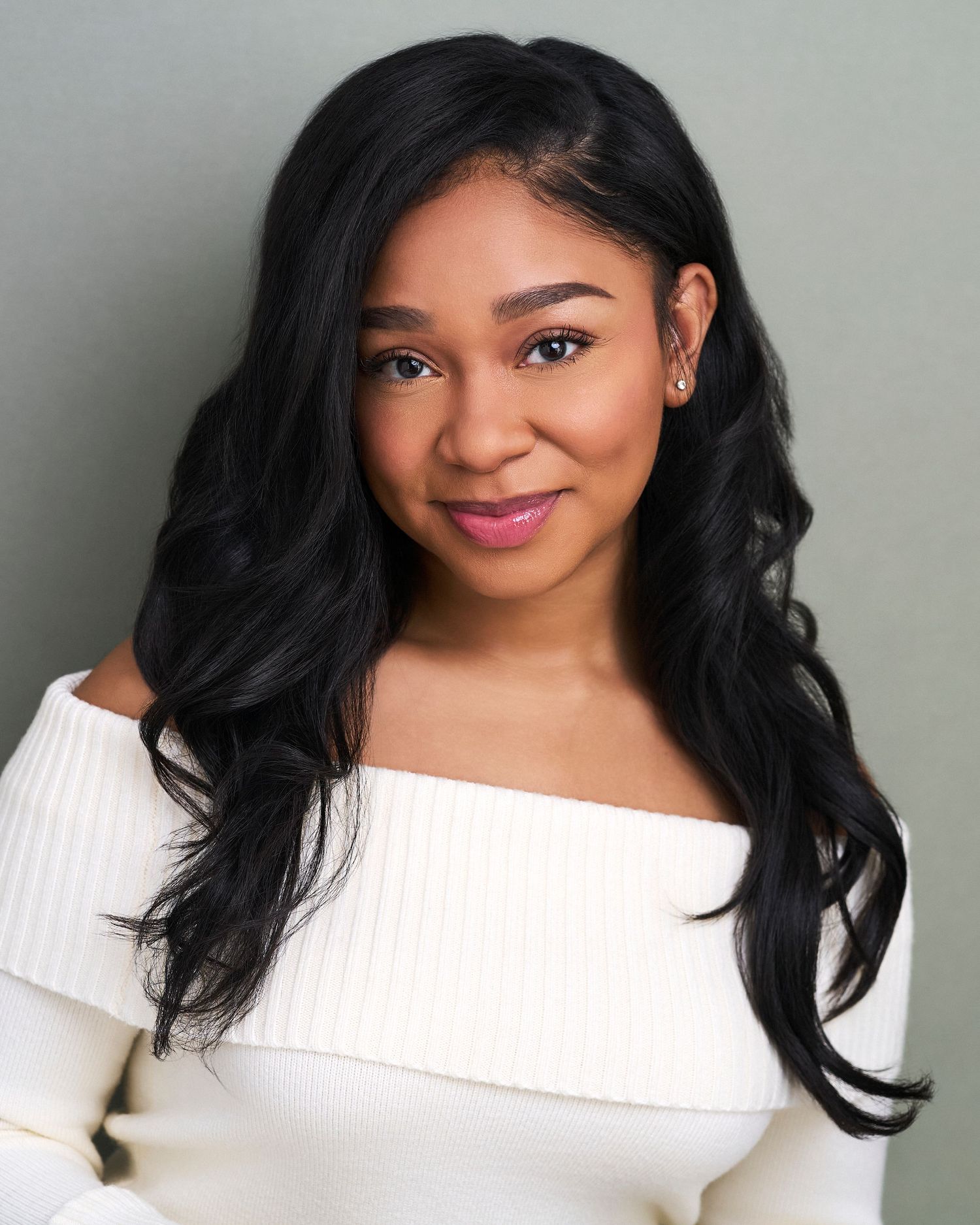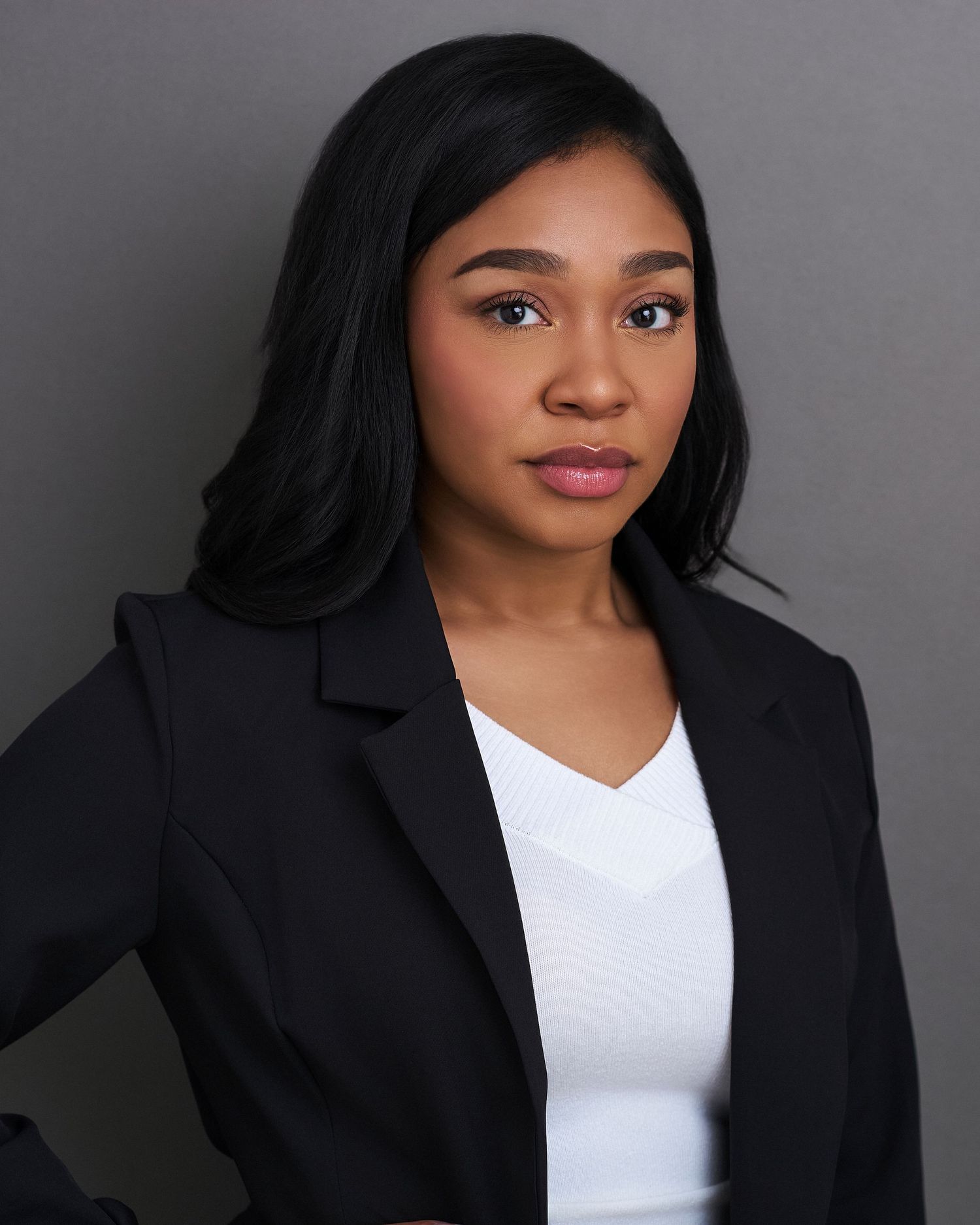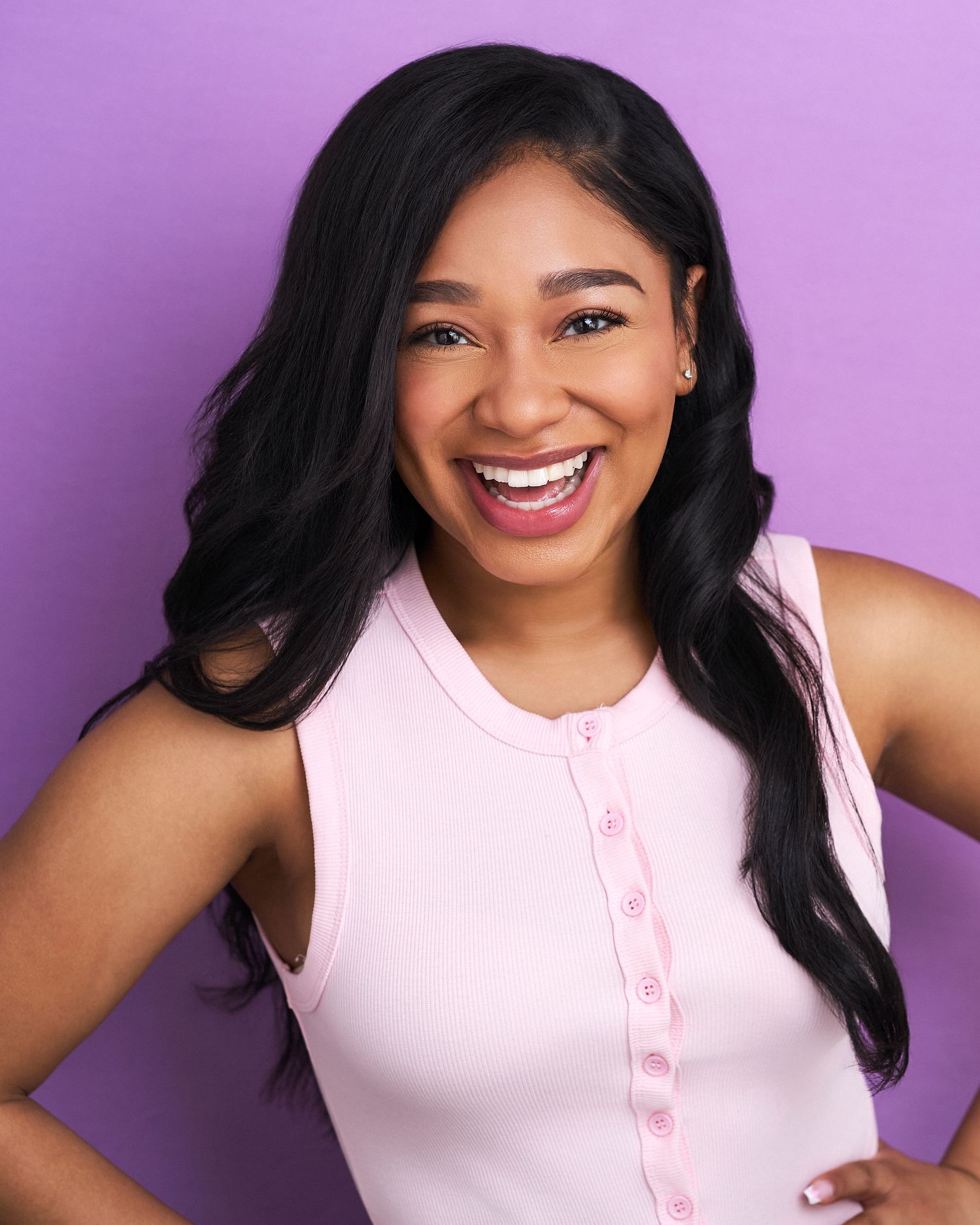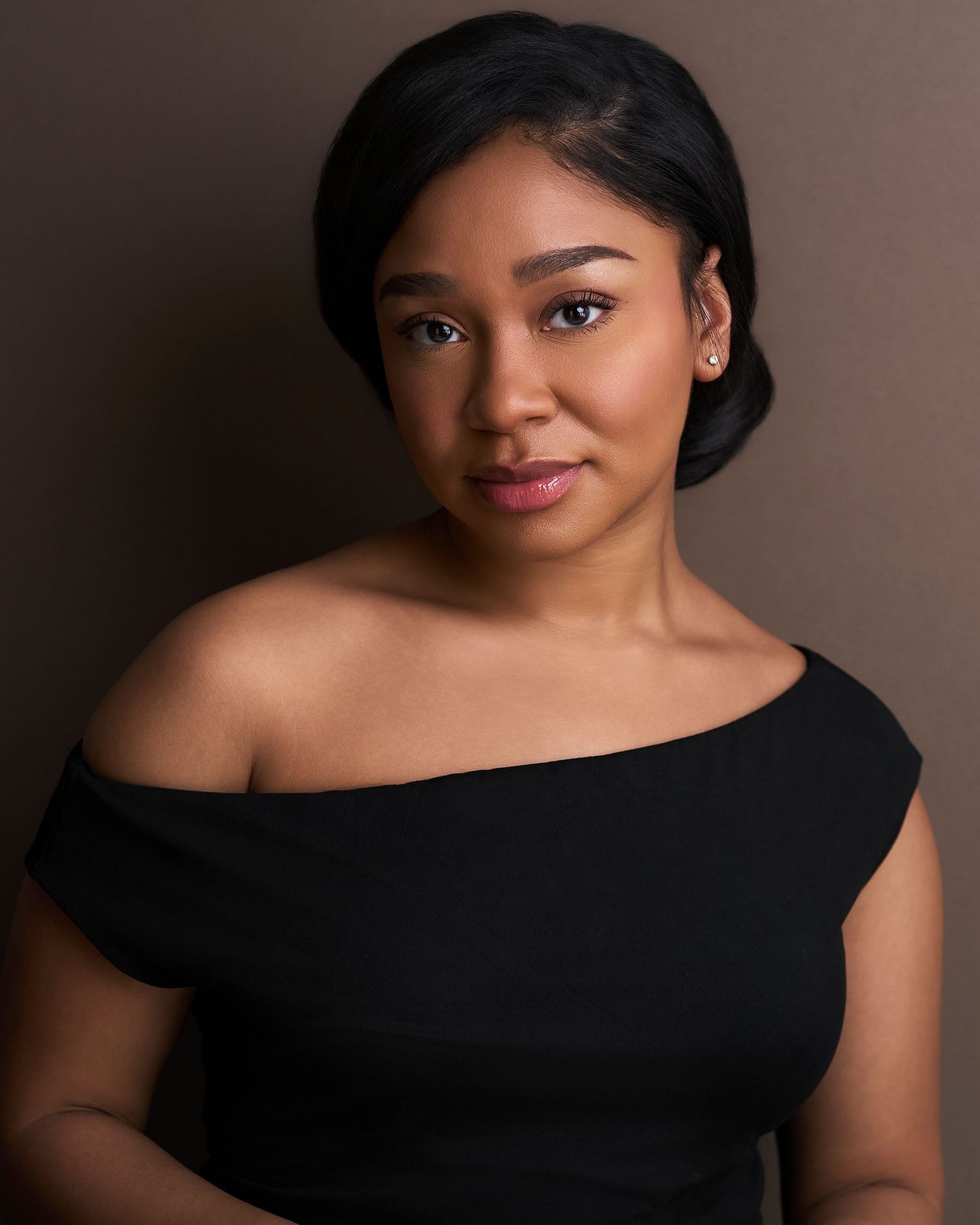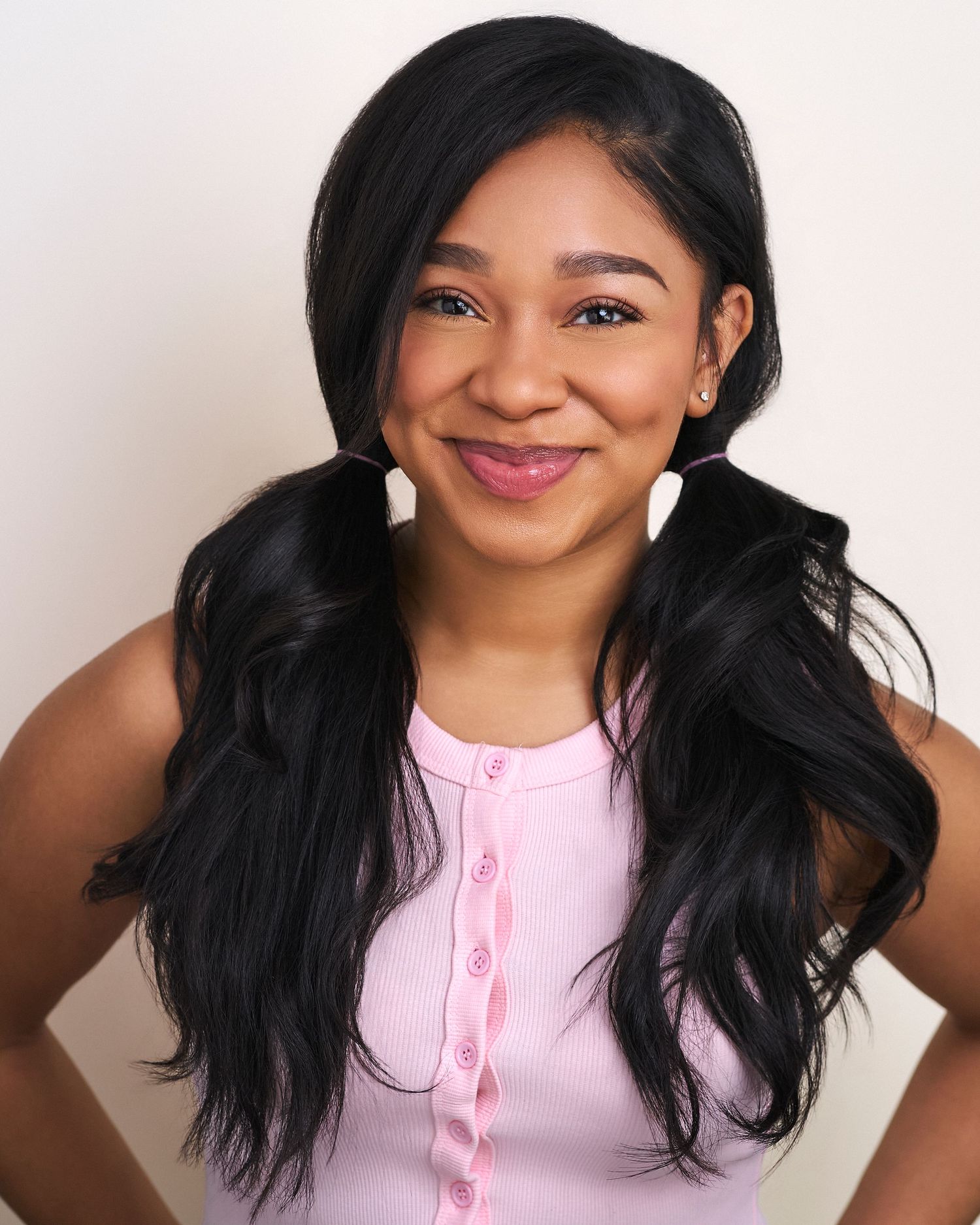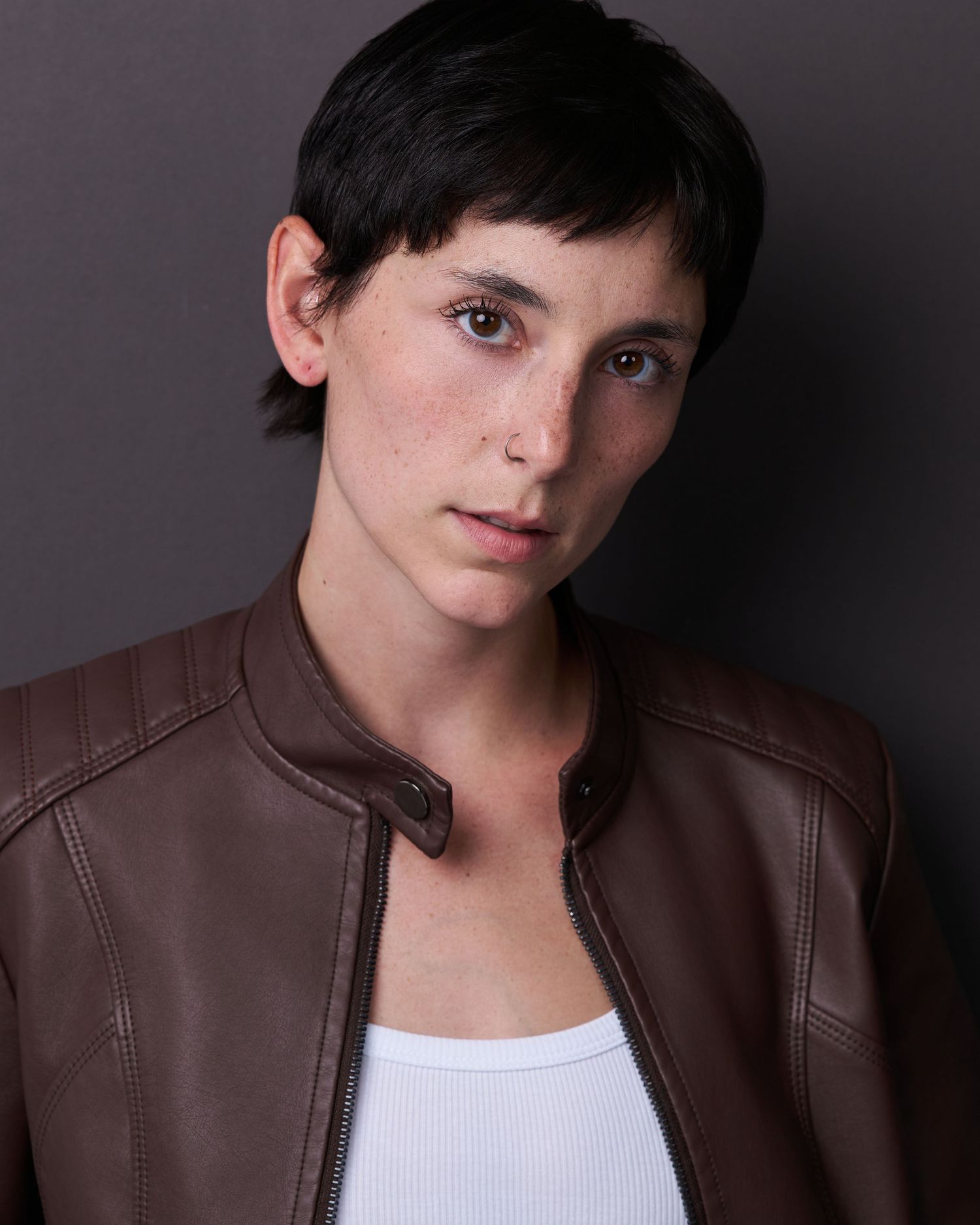
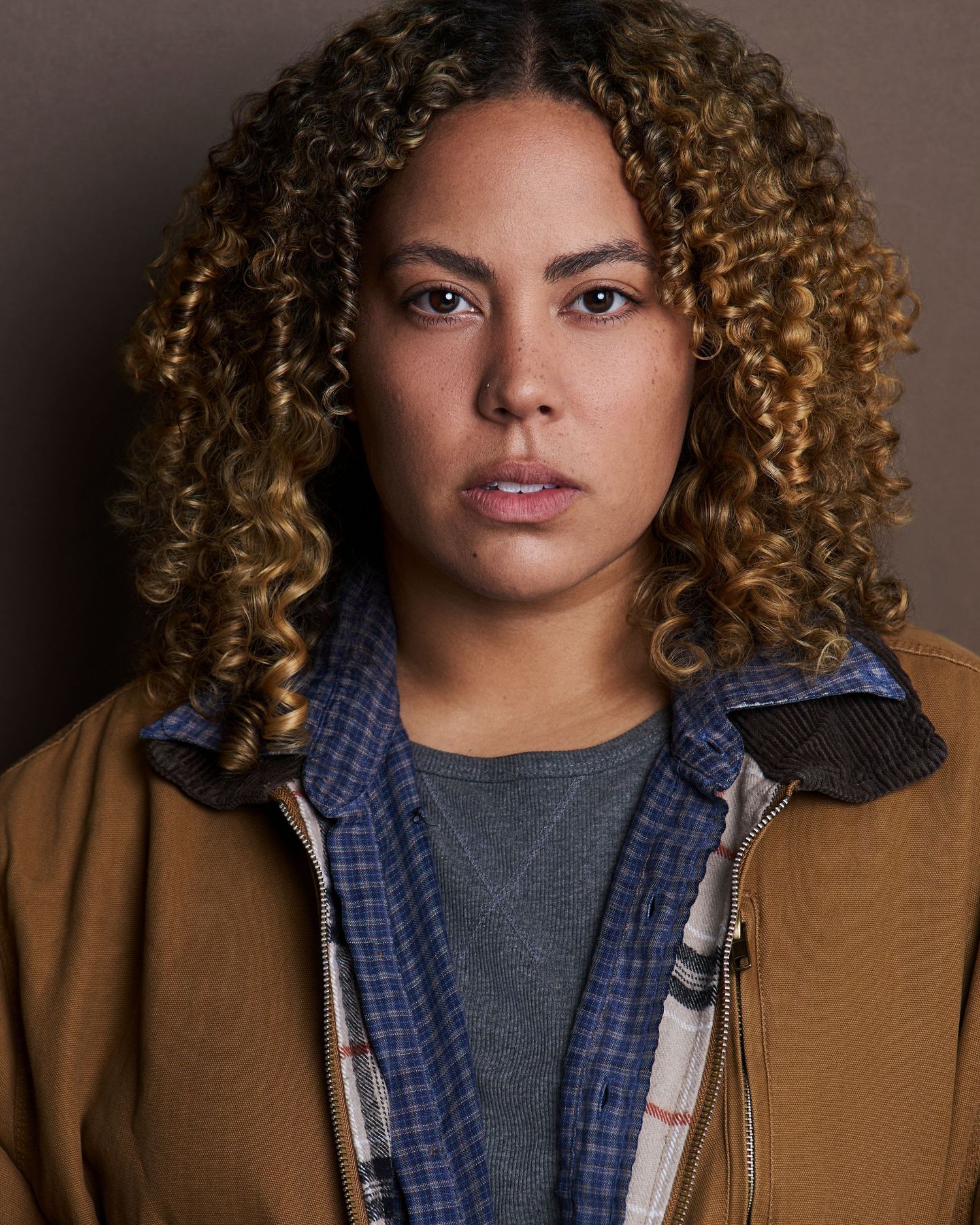
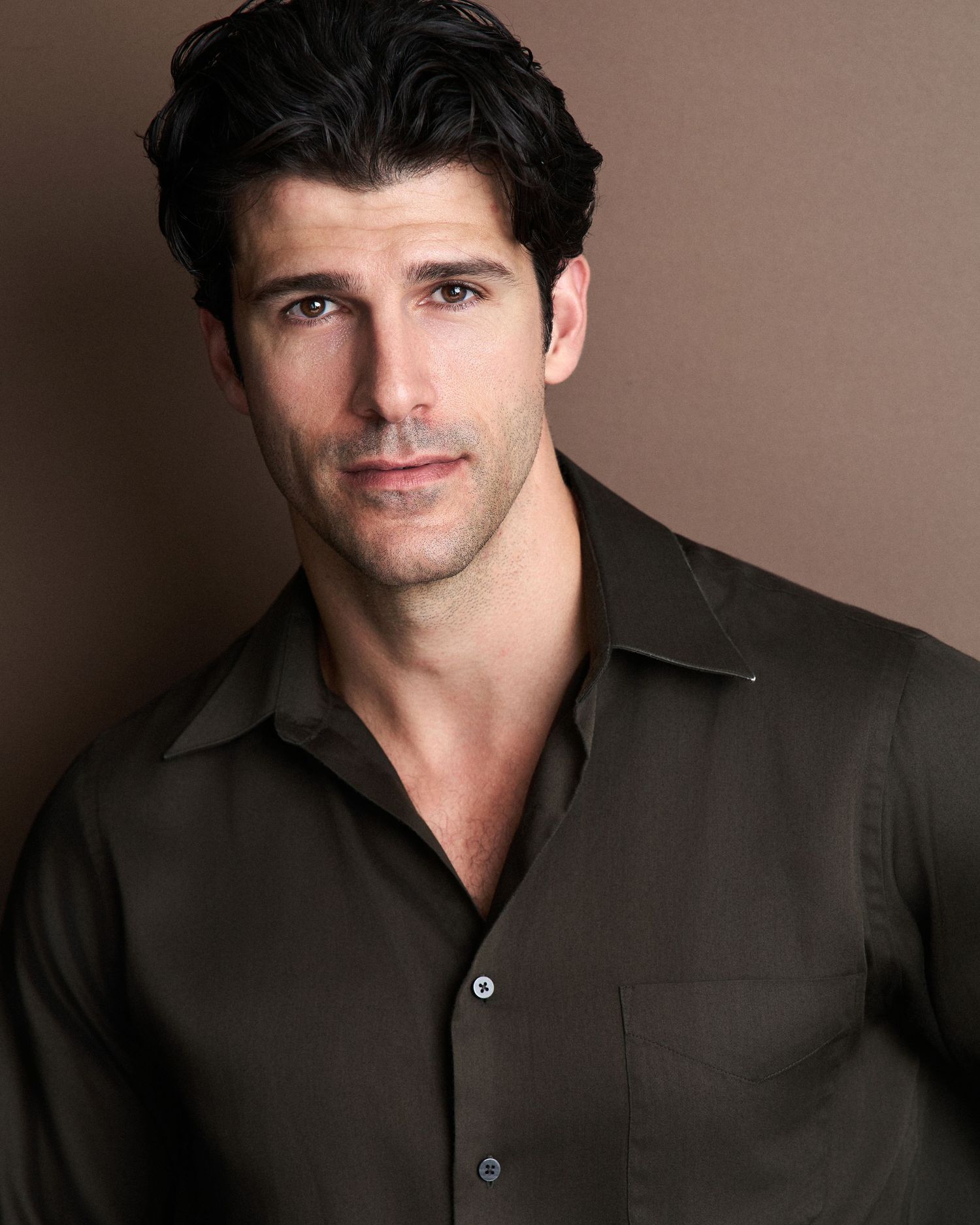
Your headshots are often one of the first things casting directors see when considering you for a role. They need to look like you, communicate your casting potential, and capture something compelling enough to make someone want to see more.
But how do you know when it’s time for new headshots? Is it every year, whenever you change your hair, or when your agent tells you it’s time?
As a photographer who works with actors and receives referrals from talent agents and managers, I’ve seen how much the right headshots can matter. I’ve also heard directly from representatives about why they want their talent to update their photos. The reasons often go beyond simply needing a newer picture.
Here’s what I recommend actors consider when deciding whether it’s time to update their headshots, expand their portfolio, or approach their next session differently.
Signs It’s Time to Update Your Actor Headshots
There isn’t one universal timeline for updating headshots. The more important question is whether your current photos accurately represent you and support the career you’re building.
Here are some of the biggest signs it may be time for a new session.
Your Appearance Has Changed
Your headshots should look like the person who walks into the audition room. If a casting director sees your photo online and then meets someone who looks noticeably different, that disconnect can work against you.
Consider updating your headshots if you’ve experienced significant changes to your:
• Haircut, hair color, or overall hairstyle
• Weight or facial structure
• Age or level of maturity
• Whether your previous headshots accurately reflected the types of roles you want to be considered for
For example, if your face has changed enough that your old photos no longer resemble you, it’s worth updating them. The same applies if you’ve grown into a more mature look and are now pursuing different kinds of characters.
You don’t need to book a new session for every minor change. The key is whether your existing photos still represent you accurately.
Your Career Is Moving in a New Direction
Actors evolve, and your headshots should evolve with you.
Perhaps you’ve spent the last few years playing younger characters, but you’re now ready to pursue more mature roles. Maybe you’ve built a reputation for playing the best friend or the comedic sidekick, but you want to explore dramatic leads.
Your previous headshots may have helped you get where you are today, but they might not communicate where you want to go next.
When actors come to me for new headshots, sometimes their representatives have specifically encouraged them to update their images because their appearance, casting opportunities, or career direction has changed. These are all valid reasons to revisit your portfolio.
Your Current Headshots No Longer Represent Your Range
A strong headshot should communicate more than what you look like. It should give people a sense of the characters you could play.
If your current portfolio only shows one side of you, you may be missing opportunities to demonstrate other believable casting possibilities.
This is especially important if you feel typecast. Your existing images might reinforce the same impression casting professionals already have of you, even if you’re ready to explore something different.
You may not need to replace every image. Sometimes, adding a few intentional looks that show a different side of your personality or casting potential is enough to begin broadening your portfolio.
How Often Should Actors Update Their Headshots?
Rather than automatically replacing your headshots every year, evaluate whether they’re still doing their job.
A useful time to reassess is whenever you notice a meaningful change in your appearance, your casting type, or your career goals. You should also revisit them when your agent or manager feels your current images are no longer positioning you effectively.
Ask yourself:
• Do I still look like my headshots?
• Do these photos reflect my current age and appearance?
• Am I pursuing the same types of roles I was when I took them?
• Do my images show enough range for the opportunities I want?
• Are my headshots communicating the qualities I want casting professionals to notice?
If you can confidently answer yes to these questions, you may not need a new session yet.
But if your photos feel outdated, limit how you’re perceived, or no longer align with your goals, it may be time for an update - even if you took them relatively recently.
What Makes an Effective Actor Headshot?
A good headshot is about much more than looking attractive or having a technically perfect photograph. It needs to feel believable, expressive, and connected to the person in front of the camera.
It Starts With the Eyes
When someone's eyes convey one emotion while their mouth and facial expression communicate something entirely different, the image can feel disconnected or overly posed.
The most expressive and confident headshots happen when everything comes together. The eyes speak, the rest of the face supports that emotion, and the result feels natural and compelling.
That doesn't mean every headshot needs an intense or dramatic expression. Different roles call for different energy. What matters is that the expression feels authentic and communicates something about the character the actor could play.
A compelling headshot takes more than simply standing in front of a camera and being yourself. I explore this further in my article on why “just be yourself” isn't always the best advice for a headshot session.
Your Headshots Should Communicate Casting Potential
Your headshots need to look like you, but they should also help casting professionals imagine you in a role.
That means thinking beyond whether you like a photograph of yourself. Ask what the image communicates. Does it suggest warmth, authority, vulnerability, confidence, mystery, humor, or another quality relevant to the roles you want?
You don't need to force yourself into an expression that feels unnatural. The goal is to capture genuine, believable expressions that communicate different aspects of your personality and casting potential.
This is where thoughtful direction matters. Small adjustments to your expression, posture, and energy can change the entire feeling of an image.
Use Your Headshots to Pursue the Roles You Dream Of
One of my favorite things to ask actors before a session is simple: What are your goals as an actor, and what do you dream of playing?
I want to know what excites you, what roles you hope to pursue, and where you want your career to go. Because why shouldn't we work directly toward those dreams?
If you've spent years playing a particular type of character and want to branch out, your headshot session is an opportunity to explore that. If you've always wanted to play a more complex, darker, stronger, or more unexpected character, let's talk about what that could look like.
I'm in your corner. I want to champion your goals, encourage you to push beyond the familiar, and help you create images you can use as tools in pursuing those opportunities.
That doesn't mean trying to look like someone you're not. It means exploring believable sides of yourself that may not have been represented in your portfolio before.
Think Beyond Updating Your Existing Photos
Sometimes, you simply need updated versions of the looks you already have. Other times, the bigger opportunity is to expand your portfolio.
For example, if your existing headshots primarily communicate a friendly, approachable personality, you might consider adding a more serious or assertive look if it aligns with the roles you want to pursue.
The objective isn't to create as many different looks as possible. It's to make each image purposeful.
Before your session, think about the characters you want to play, the qualities you want to communicate, and whether your current portfolio gives casting professionals enough information to consider you for those roles.
Your headshots won't guarantee that you'll be cast in a different type of role, but they can help you present yourself for opportunities you want to pursue.
How to Prepare for Your Actor Headshot Session
Preparation can make a significant difference in the final images, and in how much you get out of your session.
I've had actors arrive with clothes that don't fit well, garments with holes or stains, and fabrics covered in pilling, lint, or pet hair. Sometimes, we have to spend valuable shooting time trying on alternative outfits to find something that works better or lint-rolling or coming up with creative solutions to hide stains and holes. That time could have been spent photographing more looks and expressions!
The actors who arrive prepared make a noticeable difference in how smoothly their sessions go. They give themselves more time in front of the camera and more opportunities to get the images they need.
Bring Clothes That Fit and Photograph Well
Choose clothing that fits properly and feels appropriate for the characters or casting types you want to communicate.
Before your session, inspect every outfit carefully. Check for:
• Holes, stains, and visible wear
• Pilling, lint, and pet hair
• Wrinkles that could distract from the image
• Fit issues that affect how the clothing looks on camera
• Colors, necklines, or styles that compete with your face
Try everything on in advance rather than assuming it will work on the day of your shoot. Take a few photos of yourself wearing each option so you can see how the clothes look from the camera's perspective.
It's also helpful to bring a little variety without overpacking. Choose outfits that support your goals and offer distinct options for the looks you're planning.
skincare!
Skincare is another important part of preparation. Dry skin, flaky patches, chapped lips, and visible buildup around clogged pores can become more noticeable in photographs. While retouching can help with certain imperfections, you shouldn't assume your photographer will fix everything in post-production.
Different photographers have different retouching styles and levels of service. Some may offer only minimal adjustments, so it's worth understanding what's included before your session.
In the days leading up to your shoot, stick to a skincare routine that works for you rather than experimenting with aggressive new treatments that might irritate your skin.
Pay particular attention to:
• Keeping your lips moisturized
• Avoid excessive sun exposure that can increase redness and irritation
• Addressing dry or flaky skin
• Following your usual skincare routine
• Avoiding last-minute products or treatments that could cause irritation
Bring lip balm or a lip treatment with you, too. It's a small detail that can make a difference in your comfort and appearance throughout the session.
Bring Translucent Powder for Shine
A little shine can be completely normal, but excess shine on the forehead, nose, or other areas of the face can become distracting. I always recommend bringing translucent powder to your session so you can touch up as needed.
It's a simple item, but it can save time and help you feel prepared. If you wear makeup, bring the products you normally use for touch-ups as well and if using foundation, keep it light and natural.
Treat Preparation as an Investment in Your Career
Professional headshots are an investment, and the preparation you put into them is part of that investment.
You are setting aside time and money to create images that will represent you to casting professionals and support your career. Arriving prepared helps you make the most of that opportunity.
You can never be too prepared. When actors arrive with thoughtfully selected clothing, well-maintained skin, and a clear idea of their goals, it makes a real difference in what we can accomplish together.
Choosing the Right Photographer for Your Headshots
The right photographer should do more than operate a camera. They should understand what you're trying to accomplish and help you create images that support those goals.
Look for a photographer who understands actor headshots, knows how to direct expressions, and can help you explore different looks. Every photographer has a different approach and style and the key to choosing the right one starts with you doing your homework to make sure their work aligns with the aesthetic you and your reps envision for yours.
Ask about their approach to direction, the variety of images you can expect, and their retouching process. Retouching for headshots should be minimal and the photos should still look and feel like you. Review their portfolio to see whether their work captures expressive, believable people rather than relying on the same expression for every subject. Also know the difference between theatrical and commercial headshots and whether the photographer understands how to shoot one or the other, or both if you're looking to add both types to your headshots portfolio.
It's also worth having a conversation about your career goals before the shoot. A photographer who takes the time to understand what you want to pursue can help you approach your session with greater intention. This is why I always offer a pre-shoot call with my clients to help them prepare for their session with greater intention.
Your Headshots Should Reflect Who You Are, and Where You Want to Go
The best time to update your actor headshots isn't determined by a calendar alone. It's when your current images no longer represent your appearance, your casting potential, or the direction you want your career to take.
Maybe your hair or facial structure has changed. Maybe you've grown into a new stage of your career. Or maybe you're simply ready to stop relying on the same familiar looks and start pursuing roles you've always wanted to play.
Whatever the reason, approach your next session with intention. Think about your goals, prepare carefully, and choose images that show casting professionals both who you are and the kinds of characters you can credibly bring to life.
Your headshots are more than pictures. They're tools you can use to help tell the story of your career, and that story is still being written. If you're ready to explore what's possible, book your actor headshot session.